


Publish Date: 27 November 2025
Do scoliosis braces work for adults is one of the most frequently asked questions by adults who are experiencing scoliosis-related pain or have concerns about curve progression. While bracing is well known as a treatment option for adolescents, its role in adults is different and often misunderstood. Adult spines have matured, meaning braces cannot correct the curve the way they sometimes can in teenagers—yet they can still play a meaningful role. For many adults, bracing can reduce pain, improve posture, and slow further curvature, especially when used as part of a broader treatment plan. Because every adult’s spine behaves differently, understanding what braces can and cannot do is essential for realistic expectations.
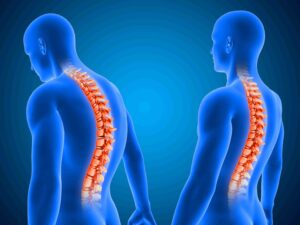
Many adults seek bracing options due to worsening back pain, fatigue, or an increasing curve visible on imaging. In such cases, bracing is not a stand-alone solution, but it can offer structured support to reduce mechanical strain on the spine. Braces can also benefit adults who perform physically demanding work, have degenerative scoliosis, or are experiencing muscle imbalance due to long-standing curvature. By providing targeted stabilization, a brace can help distribute load more evenly across the spine. This makes daily activities more tolerable and may prevent progression in selected patients. However, brace effectiveness depends on multiple factors including age, severity of the curve, symptoms, compliance, and overall spinal flexibility. To understand whether a brace is suitable, it’s important to first explore the nature of adult scoliosis itself.
What Is Scoliosis in Adults?
Scoliosis in adults refers to any spinal curvature greater than 10 degrees that persists beyond skeletal maturity or develops later in life due to degenerative changes. Unlike adolescent idiopathic scoliosis, which develops during growth spurts, adult scoliosis presents with a different biomechanical dynamic. The spine experiences years of accumulated stress, disc degeneration, facet joint arthritis, and muscular imbalance, all of which can contribute to increasing curvature. Adult scoliosis can be stable for years and then suddenly become symptomatic due to structural aging or weakening of supportive tissues. For this reason, many adults first notice scoliosis not when the curve forms, but when pain or posture changes become significant enough to disrupt normal activities.
Understanding adult scoliosis requires recognizing that it is not just a curvature problem—it is a mechanical and structural condition that affects the entire spine and the surrounding musculature. Depending on its underlying cause, the curvature can become progressively stiffer, which limits range of motion and increases pain. As discs narrow and vertebrae shift, nerve compression may occur, leading to radiating leg pain or numbness. These neurological symptoms are more common in adult scoliosis than in adolescent cases. Additionally, adults may experience muscle fatigue more rapidly, as the body constantly compensates for spinal imbalance. Recognizing these differences is key to determining whether bracing is an appropriate intervention.
Common Causes and Types of Adult Scoliosis
Adult scoliosis can arise from two primary pathways: progression of adolescent idiopathic scoliosis (AIS) or degenerative (de novo) scoliosis. In adults whose scoliosis began during adolescence, curvature may continue to progress slowly over time, especially once degenerative changes set in. Even if the curve was stable for many years, factors like osteoporosis, decreased muscle strength, or disc wear can cause renewed progression. This type of adult scoliosis often follows familiar curvature patterns in the thoracic or lumbar spine, but the symptoms tend to change because adults are more likely to experience stiffness and chronic pain.
Degenerative scoliosis, on the other hand, develops later in life without any prior history of spinal curvature. This type is driven by disc degeneration, facet joint arthritis, and collapse of spinal segments, typically affecting the lumbar spine. As the structural support weakens, the spine curves and rotates, leading to pain, leaning posture, and difficulty standing or walking for long periods. Additional causes may include trauma, spinal surgery complications, neuromuscular disorders, or osteoporosis-related deformities. Each type behaves differently, and understanding the underlying cause helps determine whether bracing will be beneficial or limited in its effects.
Symptoms and Daily Life Impact
Adult scoliosis symptoms are often multifactorial. Localized back pain is the most common complaint, but adults may also experience radiating nerve pain if the curvature compresses the spinal canal or nerve roots. Muscle fatigue, stiffness, and imbalance frequently accompany the curvature, making activities like bending, lifting, and prolonged standing difficult. Postural changes may also become noticeable—leaning to one side, uneven hips, or visible spinal rotation can impact both physical function and self-confidence. Unlike adolescents, adults usually seek help not because of cosmetic concerns but because of worsening pain or impaired mobility.
Daily life impact varies widely depending on the severity of the curve and the degree of degeneration. Many adults find that routine chores become exhausting, sitting becomes uncomfortable after a short period, or work-related activities are limited by sharp pain or muscle spasms. Sleep can also be affected due to pressure points created by spinal imbalance. Over time, these limitations can reduce overall quality of life and contribute to emotional strain, including frustration or anxiety about the future. For these reasons, understanding how adult scoliosis affects daily function is essential when considering whether bracing is a practical and supportive treatment method.
How Do Scoliosis Braces Work?
Scoliosis braces for adults function primarily by stabilizing the spine and redistributing mechanical load to reduce pain and prevent further curvature. Unlike braces used in adolescents, adult braces are not intended to correct the curve, because the spine is no longer growing. Instead, their goal is to give structural support to weakened muscles, overstressed joints, and degenerating discs. Many adults develop scoliosis-related pain due to asymmetrical pressure on the spine, especially in regions that have already undergone wear and tear. Bracing helps by offloading these stressed segments, reducing inflammation, and improving alignment enough to ease everyday activities. This supportive effect is why many adults considering bracing ask: “do scoliosis braces work for adults”, and the answer depends largely on the type of symptoms they hope to manage.
Another key mechanism of adult bracing is proprioceptive feedback. A brace acts as an external reminder to maintain better posture, preventing the spine from collapsing into painful, imbalanced positions. Adults with scoliosis often experience muscle imbalances that worsen as the spine rotates or shifts; bracing helps reduce these compensatory habits. Additionally, braces can improve endurance by reducing the workload placed on fatigued back muscles, allowing patients to stay active for longer periods without pain. While bracing alone is not a cure, its biomechanical and neuromuscular benefits make it a valuable tool when used alongside exercise, lifestyle modifications, and clinical monitoring.
Types of Braces Used in Adults
Adults with scoliosis may be prescribed several different types of braces depending on their symptoms, lifestyle, and curve pattern. The most common categories include rigid braces, dynamic braces, and soft or flexible braces. Rigid braces, such as thoracolumbosacral orthoses (TLSOs), provide strong external stability and are often used for moderate to severe curves or significant pain. These braces limit unnecessary motion, reduce pressure in degenerative segments, and help maintain more upright posture. Dynamic braces, on the other hand, are designed to promote active correction through tension-based systems. Rather than immobilizing the spine, they encourage improved movement patterns while still providing support. Soft braces, often more comfortable for everyday wear, are typically recommended for mild to moderate pain or for adults who need prolonged use without discomfort.
Each brace type comes with its own benefits and limitations. Rigid braces offer superior support but may feel restrictive, making them less suitable for long periods of activity. Dynamic braces promote muscle engagement but require consistent use and proper adjustment to be effective. Soft braces provide comfort and mild support but are not suitable for severe degenerative scoliosis. When choosing a brace, clinicians must consider not only the curvature and symptoms but also the adult’s daily routine, work demands, and mobility level. The most effective brace is not simply the strongest one, but the one that matches the individual’s functional needs and is tolerable for daily use.
Goals of Bracing (Pain vs. Curve Control)
The primary goal of bracing in adults is pain reduction, not curve correction. Since adult spines are fully developed, braces cannot reshape the bones or halt curvature through skeletal remodeling. Instead, they aim to decrease mechanical strain, improve posture, and support weakened muscle groups. Many adults experience significant relief because the brace stabilizes the spine during movements that typically trigger pain. By limiting repetitive micro-instability, which is common in degenerative scoliosis, bracing can effectively reduce inflammation and muscular fatigue. Adults who spend long hours sitting, standing, or lifting may find that consistent brace use dramatically improves their endurance and day-to-day comfort levels.
A secondary but important goal is slowing curve progression. Although braces cannot reverse the curve, they may help minimize worsening by providing structural support to prevent further collapse. This is particularly relevant for adults with degenerative scoliosis, where disc height loss and facet joint wear accelerate curvature over time. Bracing can also reduce compensatory leaning, which contributes to asymmetrical spinal loading and increases the risk of further deformity. While results vary, patients who combine bracing with exercise and clinical follow-up often achieve better long-term outcomes. For this reason, understanding whether the goal is pain control, stability, or slowing progression is key to determining the value of bracing for each individual.
Are Braces Effective for Adults?
The effectiveness of scoliosis braces for adults is more nuanced than for adolescents. Research consistently shows that while braces rarely correct spinal curvature in fully grown adults, they can significantly reduce pain, improve posture, and slow progression in selected cases. Adults with degenerative scoliosis, chronic back pain, or postural imbalance often benefit from the supportive and stabilizing effects of bracing. Compliance plays a major role: braces must be worn consistently for several hours each day to achieve meaningful results. While some patients experience immediate pain relief, others notice gradual improvements in fatigue, standing tolerance, and functional capacity over weeks or months. Therefore, adult brace effectiveness is often measured not by curve reduction but by enhanced quality of life.
It is important to note that outcomes vary depending on the type of scoliosis, degree of curvature, and patient characteristics. Adults with mild to moderate curves may achieve substantial symptomatic relief, whereas those with severe degenerative changes or fused spinal segments may gain only limited benefit. Additionally, brace comfort, fit, and patient motivation influence success rates. Many clinicians emphasize combining bracing with physical therapy, exercise, and lifestyle modifications to maximize results. For adults asking “do scoliosis braces work for adults”, the answer is yes—they can help significantly—but expectations must be realistic: braces stabilize, support, and reduce pain rather than permanently reshape the spine.
Benefits and Limitations of Bracing
The primary benefits of adult scoliosis bracing include pain reduction, improved posture, and support for weakened spinal segments. Bracing can alleviate muscular fatigue, reduce compensatory leaning, and help patients tolerate longer periods of standing or sitting. Adults who perform repetitive or physically demanding tasks may find that bracing reduces discomfort and allows for safer, more comfortable movement. In many cases, braces can also provide psychological reassurance, giving patients a sense of support and confidence during daily activities.
However, bracing comes with limitations. Unlike adolescent bracing, adult braces cannot reverse the curvature or achieve permanent correction. They may also be uncomfortable, restrictive, or inconvenient for long-term wear. Some adults experience skin irritation, sweating, or difficulty performing certain movements while wearing a brace. Additionally, bracing does not address the underlying degenerative changes, disc wear, or facet joint arthritis that often drive adult scoliosis pain. As a result, bracing should be viewed as one component of a comprehensive management plan that includes physical therapy, exercise, pain management, and in some cases, surgical consultation.
Who Is a Good Candidate for a Brace?
Adult candidates for scoliosis bracing are typically those with moderate curves, spinal instability, chronic pain, or postural imbalance that can be improved with support. Patients experiencing early degenerative changes who wish to slow curve progression may also benefit. Adults whose pain worsens with standing, walking, or prolonged activity, and who do not respond adequately to conservative measures alone, may find braces particularly helpful. Importantly, successful bracing depends on realistic expectations and willingness to follow prescribed wearing schedules and adjustments.
Adults with severe rigidity, advanced degenerative changes, or fused spinal segments may not benefit as much from bracing and should discuss alternative interventions. Patients with comorbidities such as obesity, skin sensitivity, or limited mobility may require specialized braces or modifications to improve comfort and effectiveness. Clinicians carefully evaluate X-rays, posture, muscle strength, and daily activity demands before recommending a brace. Ultimately, the ideal candidate is someone motivated to use the brace consistently, understands its goals, and is willing to integrate it with other therapies for maximum benefit.
Living With a Scoliosis Brace as an Adult
Adjusting to life with a scoliosis brace can be challenging at first, but with proper guidance, most adults adapt successfully. Comfort, mobility, and daily routine integration are key factors in ensuring consistent use. Initially, some patients may experience mild discomfort, skin irritation, or difficulty sitting for long periods. Proper fitting, padding, and gradual acclimation can mitigate these issues. Adults often find it helpful to start wearing the brace for a few hours each day and gradually increase duration as comfort improves. Over time, most report that the brace becomes a supportive extension of their body, allowing them to perform tasks with less strain and fatigue.
Beyond physical comfort, living with a brace also requires lifestyle adjustments. Clothing choices may need to accommodate the brace, and patients may need to modify workstations or seating arrangements to maintain proper posture. Psychological adaptation is equally important; some adults initially feel self-conscious or restricted, but education and reassurance from healthcare providers can improve adherence. Support groups or online communities may also help adults share practical tips and coping strategies. By viewing the brace as a tool rather than a limitation, adults can integrate it into daily life effectively, improving both pain management and spinal stability.
Alternatives and Complementary Treatments
Physical Therapy and Exercise
In addition to bracing, physical therapy plays a critical role in managing adult scoliosis. Targeted exercise programs strengthen core muscles, improve spinal alignment, and increase flexibility, which can reduce pain and improve posture. Physical therapy also helps patients learn safe movement patterns and postural corrections that prevent further strain on the spine. Exercises may include stretching, strengthening, balance, and low-impact aerobic activities tailored to the individual’s curve type, age, and physical capabilities. When combined with bracing, physical therapy can enhance brace effectiveness by addressing muscular imbalances that contribute to scoliosis progression.
Physical therapy is not only therapeutic but also preventive. By maintaining muscle strength and joint mobility, adults are better equipped to tolerate longer periods of brace use and maintain independence in daily activities. Therapists often provide home exercise routines that complement in-clinic sessions, ensuring continuous progress. Education on ergonomics, lifting techniques, and posture management is also integrated into therapy sessions.
Medications, Injections, and Surgery Options
For adults who continue to experience significant pain despite bracing and physical therapy, medications and injections may provide additional relief. Pain management may include over-the-counter analgesics, anti-inflammatory drugs, or muscle relaxants to reduce discomfort and allow more consistent participation in daily activities. In some cases, targeted injections such as epidural steroid injections or facet joint injections can reduce localized inflammation and nerve irritation caused by degenerative changes or severe curvature. These interventions can complement bracing and exercise by addressing symptomatic flare-ups, making it easier for adults to maintain mobility and comfort.
Surgical options are generally considered for adults with severe curves, progressive deformity, or neurological compromise. Spinal fusion and other corrective procedures aim to stabilize the spine, relieve nerve compression, and improve alignment. Surgery is typically recommended only when conservative treatments, including bracing, physical therapy, and medications, are insufficient to control symptoms or prevent progression. While surgery carries inherent risks, it can dramatically improve function and quality of life in carefully selected adults. Understanding the full spectrum of treatments allows patients to make informed decisions alongside their healthcare provider.
When to Talk to a Specialist
Adults with scoliosis should consult a spine specialist when they experience worsening pain, changes in posture, or functional limitations that affect daily life. Early evaluation is particularly important for adults with degenerative scoliosis, as progressive curves can lead to spinal instability, nerve compression, or chronic pain. Even mild curvature that is causing fatigue, imbalance, or difficulty performing routine tasks warrants professional assessment. A specialist can determine whether bracing, physical therapy, injections, or surgical intervention is appropriate based on imaging studies, physical examination, and individual patient goals.
It is also crucial to seek expert guidance if brace use causes discomfort, skin issues, or does not improve symptoms after a trial period. Spine specialists can adjust brace fit, recommend alternative designs, or combine bracing with complementary treatments such as targeted physical therapy, medications, or minimally invasive procedures. Additionally, adults considering surgery or advanced interventions should consult a specialist early to understand potential benefits, risks, and timing. Proactive management allows for a tailored, stepwise approach that prioritizes pain relief, spinal stability, and long-term quality of life. Consulting a specialist ensures adults receive evidence-based guidance and realistic expectations regarding the outcomes of bracing and other treatments.
Assoc. Prof. Dr. Ömer Bozduman completed his medical degree in 2008 and subsequently served in various emergency medical units before finishing his Orthopedics and Traumatology residency in 2016. After working at Afyonkarahisar State Hospital, Tokat Gaziosmanpaşa University, and Samsun University, he continued his career at Memorial Antalya Hospital. He now provides medical services at his private clinic in Samsun, specializing in spine surgery, arthroplasty, arthroscopy, and orthopedic trauma.