


Publish Date: 4 December 2025
Runner’s knee recovery typically lasts 4–8 weeks with proper rest and treatment. Mild cases heal in 3–6 weeks, moderate ones need 6–12 weeks. Severe or long-standing cases can take several months. Early intervention and consistent rehabilitation make all the difference. Almost every patient returns to running when the plan is followed correctly.
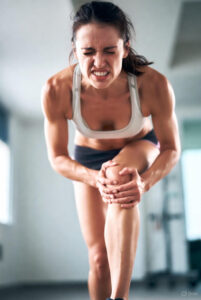
Runner’s knee is one of the most common injuries I treat in active adults and young athletes. Patients feel pain around or under the kneecap that worsens with running, stairs, squatting, or sitting for long periods. The question I hear every day is “how long does runner’s knee last?” The answer depends on severity, how quickly treatment starts, and how faithfully rehabilitation is followed. Below is the exact information I give my own patients about realistic recovery times and the proven steps to get back to pain-free running.
Understanding Runner’s Knee: Definition and Causes
Runner’s knee is the common name for patellofemoral pain syndrome (PFPS). The kneecap no longer tracks smoothly in the femoral groove. Abnormal pressure irritates cartilage, subchondral bone, and surrounding tissues. Pain is usually activity-related and improves with rest. It affects up to thirty percent of runners at some point. Women are two to three times more likely to develop it. Overuse remains the primary trigger worldwide. Biomechanical faults in the hip, knee, or foot play a major role. Sudden increases in mileage or intensity are classic triggers. Poor running shoes or hard surfaces accelerate symptoms. Weak quadriceps and tight hamstrings are almost always present. Glute weakness causes the knee to collapse inward. Flat feet or high arches change lower-limb alignment. Previous ankle or hip injuries alter running mechanics. Prolonged sitting at a desk weakens supporting muscles. Stress and poor sleep slow tissue repair. Vitamin D deficiency is increasingly recognized as a risk factor. Core instability transfers extra load to the knee. Leg-length differences greater than one centimeter increase risk. Runner’s knee rarely leads to arthritis if treated early.
What is Patellofemoral Pain Syndrome (PFPS)?
PFPS is the medical diagnosis behind runner’s knee. Pain originates from the joint between patella and femur. Repetitive stress irritates cartilage and subchondral bone. Inflammation of the synovium and fat pad often occurs. Pain receptors in bone explain intense discomfort despite little swelling. MRI may show bone marrow edema or cartilage softening. Imaging findings correlate poorly with symptoms. Diagnosis is mainly clinical, not radiological. Crepitus is common but not always present. Pain worsens with stair descent and prolonged knee flexion.
Common Causes and Risk Factors
Training errors account for sixty to eighty percent of cases. Weak vastus medialis obliquus fails to balance the patella. Tight iliotibial band pulls the kneecap laterally. Poor gluteus medius strength causes dynamic knee valgus. Overpronation or supination alters patellar tracking. Worn-out shoes lose cushioning and stability. Downhill running dramatically increases patellar stress. Sudden hill or speed work often sparks the first episode. Hard training surfaces transmit more shock. Female athletes have a higher Q-angle.
Factors Influencing Recovery Time
Severity of cartilage irritation is the biggest predictor. Early complete rest dramatically shortens healing time. Patient compliance with exercises is crucial. Pre-injury hip and core strength affects speed of recovery. Age above forty slightly prolongs healing. Excess body weight increases patellofemoral stress. Presence of malalignment adds weeks to months. Previous episodes mean longer recovery. Pain tolerance influences adherence to rehab. Quality of running shoes and surface modification help. Early anti-inflammatory measures shorten the acute phase. Consistency with daily strengthening is non-negotiable. Smoking delays tissue healing significantly. Poor sleep and high stress slow recovery. Nutritional status influences repair speed. Vitamin D and protein intake matter. Mental approach affects long-term success. Support from family or coach improves compliance. Access to professional physical therapy accelerates progress. Motivation level influences final outcome.
Typical Recovery Timelines for Different Cases
Recovery timelines vary widely based on severity and treatment start time. Most patients fall into mild or moderate categories. Early intervention prevents progression to chronic stage. Structured rehabilitation is key in every case. Patience during return-to-running prevents relapse. Consistent strengthening reduces recurrence risk. Regular follow-up ensures proper progression. Individual response differs even with identical protocols. Motivation level influences final outcome. Supportive footwear shortens timeline. Pain-free daily activities mark the turning point. Strength gains continue long after pain disappears. Gradual loading protects new tissue. Professional guidance prevents common mistakes. Recurrence rate drops with prevention program. Long-term outlook is excellent with compliance. Early specialist input prevents chronic problems. Most runners return stronger than before. Full recovery is realistic for nearly everyone.
Mild Cases (Early Stage PFPS)
Symptoms present less than six weeks with no swelling. Pain only during or after running. Full recovery occurs in three to six weeks. Complete running rest lasts two to four weeks. Daily strengthening and stretching start immediately. Pain-free walking and cycling are allowed. Walk-run intervals begin around week four. Over ninety percent achieve complete resolution. Recurrence is low with prevention program. Most recreational runners fall into this group.
Moderate Cases (Persistent Symptoms)
Pain present two to six months with daily discomfort. Stairs and squatting provoke symptoms. Recovery typically takes six to twelve weeks. Structured physical therapy is mandatory. Running cessation lasts four to eight weeks. Patellar taping provides immediate relief. Progressive hip and quad strengthening is essential. Gradual return-to-run lasts four to six weeks. Success rate remains above eighty percent with compliance. Residual stiffness may linger briefly.
Severe or Chronic Cases (Requiring Extensive Rehab)
Symptoms longer than six months or failed previous treatment. Constant pain and quadriceps atrophy common. Recovery ranges from three to twelve months. Advanced imaging is often needed. Custom orthotics are frequently necessary. Intensive rehab occurs three to five times weekly. Injections may be considered. Return to high-level running can take six to eighteen months. Small percentage never regain pre-injury volume. Outcome improves with multimodal approach.
Key Stages of the Recovery Process
Recovery follows three distinct phases in every successful case. Acute phase focuses on pain control. Rehabilitation phase rebuilds strength and corrects faults. Return-to-running phase gradually reintroduces load. Progression only occurs when criteria are met. Pain guides every decision. Strength gains continue long after pain disappears. Consistency across all phases determines outcome. Monitoring twenty-four to forty-eight hours post-activity is critical. Professional guidance prevents common mistakes. Patience prevents re-injury. Low-impact cardio maintains fitness. Nutrition supports tissue repair. Sleep optimization accelerates healing. Stress management helps compliance. Gradual loading protects healing tissue. Strength training becomes permanent habit. Full function returns before full training. Long-term prevention starts during recovery.
Acute Phase: Pain Management and Rest
First one to two weeks focus on pain reduction. Complete rest from running and jumping is mandatory. Low-impact activities maintain fitness. Ice reduces inflammation effectively. Compression sleeve prevents swelling. Elevation helps when sitting. Patellar strap often gives instant relief. Gentle range-of-motion exercises prevent stiffness. Weight-bearing continues as tolerated. Short anti-inflammatory course may be used.
Rehabilitation Phase: Strengthening and Flexibility Exercises
Weeks two to twelve rebuild strength and mobility. Daily hip and core exercises are non-negotiable. Clamshells and side planks become routine. Quad sets and straight-leg raises activate VMO. Foam rolling releases tight tissues. Stretching targets hip flexors and hamstrings. Balance training improves proprioception. Pain must remain below 2/10 during exercises. Progression follows strict guidelines. Consistency beats intensity every time.
Return to Running Phase: Gradual Load Increase
Starts only when daily activities are pain-free. Walk-run program lasts four to eight weeks. Running time increases ten percent weekly maximum. Soft surfaces reduce impact initially. Pain twenty-four to forty-eight hours later stops progression. Strength training continues twice weekly. Proper warm-up becomes permanent habit. New shoes are mandatory. Cadence and form are monitored. Patience prevents relapse.
Essential Treatment and Management Strategies
Treatment combines rest, rehabilitation, and prevention. Early intervention prevents chronicity. Patient education improves outcomes. Multimodal approach works best. Regular reassessment guides progression. Supportive equipment aids comfort. Nutrition supports tissue repair. Sleep optimization accelerates healing. Stress management helps compliance. Gradual progression protects healing tissue. Pain-free movement is the primary goal. Strength training becomes lifelong habit. Low-impact cardio maintains fitness. Professional guidance prevents mistakes. Consistency determines success. Motivation sustains effort. Support network improves adherence. Outcome depends on daily choices. Full recovery is achievable for nearly everyone.
RICE Protocol (Rest, Ice, Compression, Elevation)
Gold standard for first seventy-two hours. Relative rest avoids complete immobilization. Ice numbs pain and reduces swelling. Compression sleeve controls effusion. Elevation decreases pressure. Movement prevents stiffness. Modification of painful activities is key. Cycling and swimming are usually tolerated. Protocol evolves as pain decreases. Active recovery replaces prolonged rest.
Physical Therapy and Specific Exercises
Structured physical therapy is the cornerstone of recovery. Manual therapy improves patellar mobility. Dry needling releases trigger points. Hip-focused strengthening is essential. Blood flow restriction training accelerates gains. Biofeedback helps VMO activation. Functional exercises mimic running mechanics. Home program compliance is monitored. Most patients need eight to twelve sessions. Outcome improves dramatically with professional guidance.
When to Consider Medical Intervention (Injections, Surgery)
Cortisone injections are rarely used due to cartilage risk. PRP or hyaluronic acid help chronic cases. Lateral release surgery is almost abandoned. Tibial tubercle osteotomy is reserved for severe maltracking. Arthroscopic debridement is uncommon. Diagnostic arthroscopy occurs only when diagnosis unclear. Most patients never require surgery. Conservative treatment succeeds in over ninety-five percent. Early intervention prevents need for advanced options. Surgery is truly last resort.
Preventing Recurrence and Long-Term Outlook
Recurrence rate exceeds seventy percent without prevention. Ongoing hip and core strengthening twice weekly is mandatory. Shoe replacement every four hundred to five hundred miles prevents issues. Gradual training progression remains essential. Cross-training reduces overuse. Weight management is critical. Custom orthotics correct structural problems. Annual gait analysis is recommended for serious runners. Glute strength maintenance is non-negotiable. Most runners return stronger than before. Cartilage health is preserved with early care. Long-term outlook is excellent with compliance. Pain-free running for decades is realistic. Prevention starts the day pain disappears. Strength training becomes lifelong habit. Regular check-ups catch problems early. Healthy habits protect knees permanently. Outcome depends on daily choices. Full enjoyment of running is possible again.
When to See a Doctor
Pain lasting longer than two to three weeks despite rest requires evaluation. Swelling or knee locking needs immediate attention. Inability to fully extend or flex the knee is concerning. Night pain or pain at rest warrants urgent visit. Symptoms after direct trauma need assessment. Persistent symptoms despite six weeks of home treatment require help. Recurrent episodes deserve fresh evaluation. Pain affecting daily activities significantly needs professional care. Any doubt about diagnosis should prompt consultation. Early specialist input prevents chronic problems. Professional guidance shortens recovery dramatically. Physical therapy referral is often first step. Orthopedic evaluation rules out other injuries. Imaging may be ordered when needed. Blood tests check for contributing factors. Custom treatment plan improves outcome. Timely intervention prevents unnecessary suffering. Peace of mind comes with proper diagnosis. Most patients wish they came sooner.
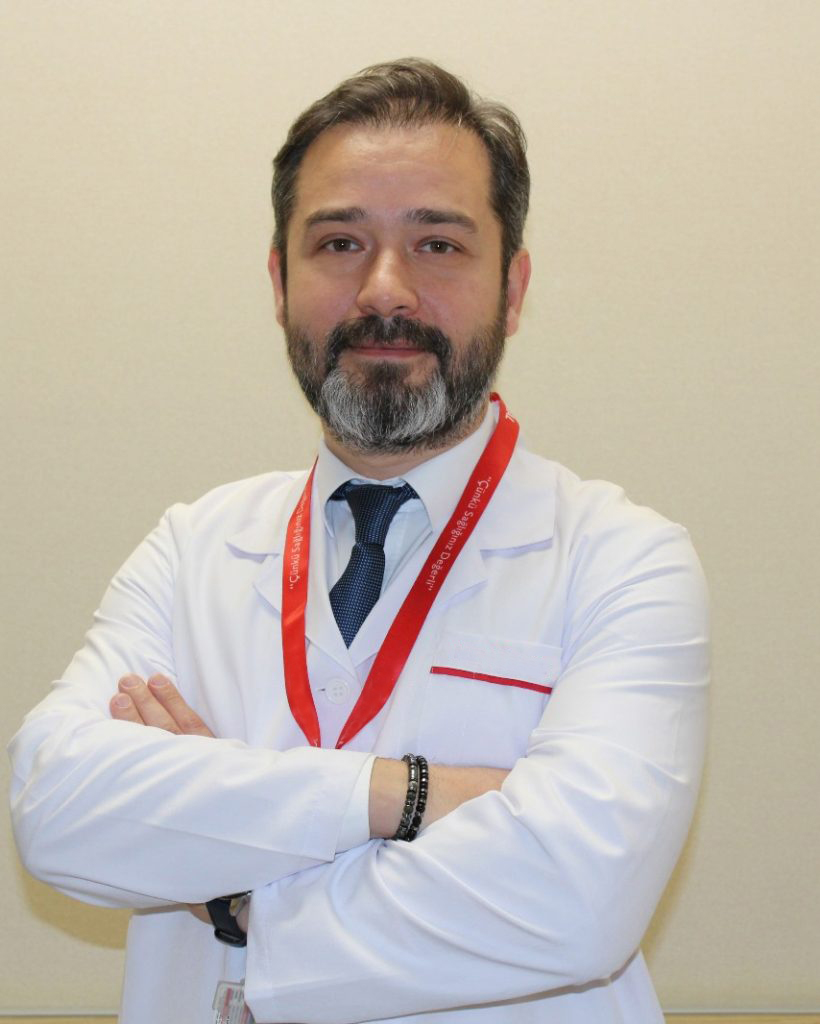
Assoc. Prof. Dr. Ömer Bozduman completed his medical degree in 2008 and subsequently served in various emergency medical units before finishing his Orthopedics and Traumatology residency in 2016. After working at Afyonkarahisar State Hospital, Tokat Gaziosmanpaşa University, and Samsun University, he continued his career at Memorial Antalya Hospital. He now provides medical services at his private clinic in Samsun, specializing in spine surgery, arthroplasty, arthroscopy, and orthopedic trauma.