


Dry needling is a modern, Western technique that targets painful muscle trigger points to release tension and restore normal function. Acupuncture is a 2500-year-old Traditional Chinese Medicine practice that inserts needles along meridians to balance life energy (Qi) and treat the whole person. Philosophy, training, needle placement, goals, and evidence base are completely different. Understanding these differences helps patients choose the right treatment and avoid months of ineffective therapy.
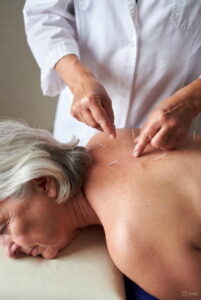
What is the Difference Between Dry Needling and Acupuncture?
Almost every week a patient sits in my office and says, “Doctor, my physiotherapist suggested dry needling, but my friend told me it’s the same as acupuncture. Which one should I do?”
The confusion is completely understandable – both use very thin, solid filiform needles and both can dramatically reduce pain. However, once you look beneath the surface, they are as different as orthopaedic surgery and herbal medicine. The needles may look identical, but the thinking behind where they go, why they go there, how they are manipulated, who performs them, and what conditions they treat could not be more different.
Below is the complete, detailed comparison I give every patient so they leave the clinic knowing exactly what each technique is, how it works, who should perform it, and which one (or both) is right for their specific problem.
Introduction to Dry Needling and Acupuncture
Dry needling was pioneered in the 1940s by Dr. Janet Travell (President Kennedy’s physician) and later expanded by Dr. David Simons and countless physiotherapists worldwide. Acupuncture originated in China over 2500 years ago and is one of the main pillars of Traditional Chinese Medicine (TCM). Dry needling is a purely musculoskeletal intervention based on Western neuroanatomy and trigger-point physiology. Acupuncture is a complete medical system that views the body as an energetic network of meridians carrying Qi (life force). Dry needling sessions typically last 15–30 minutes and are intense and focused. Acupuncture sessions usually last 30–90 minutes and are deeply relaxing. Dry needling is performed almost exclusively by physiotherapists, osteopaths, chiropractors, and some medical doctors after short postgraduate training. Acupuncture is performed by licensed acupuncturists who complete 2–4 years of full-time study in most countries. Dry needling uses 3–20 needles targeted only at painful muscle knots. Acupuncture commonly uses 8–30 needles placed along energetic pathways, often far from the painful area. Dry needling deliberately provokes a visible muscle twitch response. Acupuncture rarely seeks a twitch and considers it incidental. Dry needling has no spiritual, energetic, or holistic component whatsoever. Acupuncture is deeply rooted in Taoist philosophy, yin-yang balance, and five-element theory. Dry needling research is published in Western orthopaedic and pain journals. Acupuncture research spans both Eastern and Western medical literature. Dry needling is integrated into modern physiotherapy and sports medicine clinics. Acupuncture is practised in dedicated TCM clinics or integrative medical centres. Dry needling is not taught as part of any acupuncture curriculum. Acupuncture training sometimes includes a brief introduction to trigger points, but it is not the focus. Dry needling certification can be obtained in weekend to several-month courses. Acupuncture licensing requires thousands of hours of supervised clinical practice.
Core Principles and Mechanisms of Action
Dry needling is based entirely on modern neurophysiology, anatomy, and the myofascial trigger-point model developed by Travell and Simons. Acupuncture is based on the ancient Chinese concept of Qi flowing through 12 primary meridians and 8 extraordinary vessels. Dry needling directly deactivates hyperirritable spots in skeletal muscle that cause local and referred pain. Acupuncture aims to regulate the flow of Qi, blood, and body fluids to restore systemic balance. Dry needling produces a local twitch response that resets muscle spindles and breaks the pain-spasm cycle. Acupuncture stimulates specific points that are believed to influence organ function and emotional state. Dry needling improves local blood flow, reduces substance P, and restores normal sarcomere length. Acupuncture is thought to modulate the autonomic nervous system and hypothalamic-pituitary axis. Dry needling works through segmental inhibition and gate-control theory at the spinal cord level. Acupuncture activates descending pain inhibitory pathways and releases endogenous opioids, serotonin, and cannabinoids. Dry needling has an immediate biomechanical and neurological effect that patients feel within minutes. Acupuncture often produces gradual, cumulative effects over a course of treatment. Dry needling research is strong for conditions like neck pain, tension headaches, and low-back pain. Acupuncture has thousands of years of clinical observation plus modern RCTs supporting dozens of conditions. Dry needling explanations are purely evidence-based and mechanistic. Acupuncture explanations blend ancient energetic theory with modern neurophysiology. Dry needling is considered a physical medicine technique similar to manual therapy. Acupuncture is classified as an energy medicine or holistic medical system. Dry needling has no diagnostic system of its own – it uses standard medical diagnosis. Acupuncture has its own complete diagnostic system (pulse, tongue, eight principles, etc.).
The Philosophy Behind Acupuncture
Acupuncture views the human body as an energetic ecosystem where health depends on smooth circulation of Qi and blood. Disease arises from imbalance of yin and yang or disruption of the five elements (wood, fire, earth, metal, water). Blockages, deficiencies, or excesses of Qi create pathology anywhere along a meridian. Needles (sometimes combined with moxibustion, cupping, or herbs) restore proper flow and harmony. Treatment is highly individualised based on the patient’s constitutional pattern and current disharmony. The goal is to treat both the root (ben) and the branch (biao) of the disease. Emotional, seasonal, and environmental factors are always considered. Acupuncture treats the person, not just the symptom.
Scientific Basis of Dry Needling
Dry needling is grounded in the work of Dr. Janet Travell and Dr. David Simons who mapped hundreds of myofascial trigger points and their referred pain patterns. Trigger points are hyperirritable nodules in taut bands of skeletal muscle that are painful on compression. Needling causes a local twitch response that mechanically disrupts the contracted sarcomeres. Potassium efflux and calcium influx are normalised within the muscle fibre. Endorphin, enkephalin, and endogenous cannabinoid release provide analgesia. Improved microcirculation removes inflammatory mediators and metabolic waste. Spinal reflex arcs are inhibited at the segmental level. Central sensitisation in the dorsal horn is reduced. Multiple high-quality RCTs support efficacy for musculoskeletal pain.
Needle Placement and Technique
Dry needling needles are inserted directly into the belly of the muscle or the exact trigger point, often to depths of 2–8 cm in large muscles. Acupuncture needles follow precise meridian pathways that may have no relationship to the painful muscle. Dry needling uses a fast in-out pistoning technique until twitch responses are exhausted. Acupuncture needles are gently inserted (often superficially) and left in place for 20–40 minutes. Dry needling frequently uses electrical stimulation through the needles for stronger effect. Acupuncture may combine needles with warming moxa or gentle manual rotation. Dry needling targets only palpable taut bands and trigger points. Acupuncture targets classic points with specific energetic functions (e.g., LI4 for headaches, ST36 for energy). Dry needling sessions are short, intense, and sometimes uncomfortable. Acupuncture sessions are longer, relaxing, and often induce a meditative state. Dry needling may cause post-treatment soreness for 24–48 hours. Acupuncture rarely causes significant soreness. Dry needling needle count is usually low and extremely precise. Acupuncture needle count varies widely depending on pattern diagnosis.
Target Tissues in Dry Needling
Dry needling targets skeletal muscle, fascia, and myofascial trigger points exclusively. Motor points (where nerve enters muscle) are sometimes needled for facilitation. Periosteal pecking stimulates bone-healing responses in tendinopathy. Scar tissue and adhesions respond dramatically to needling. Deep hip rotators (piriformis, obturator internus) are common targets. Paraspinal multifidus and erector spinae are frequently treated. Tendons and tenoperiosteal junctions can be needled in advanced techniques. Myofascial chains are followed for referred pain patterns.
Meridian System and Acupoints in Acupuncture
Acupuncture recognises 12 primary meridians and 8 extraordinary vessels carrying Qi. Over 400 acupoints have been mapped with specific functions. Points are chosen according to syndrome differentiation (e.g., liver Qi stagnation, kidney yang deficiency). Distal points treat problems far away (e.g., LI4 for facial pain). Front-mu and back-shu points directly influence organs. Five-shu points correspond to five elements and seasonal flow. Master points open entire meridian systems. Ashi (painful) points are used when no classic point fits.
Common Conditions Treated and Efficacy
Dry needling is first-line for acute and chronic musculoskeletal pain syndromes. Acupuncture treats hundreds of conditions from pain to internal medicine and mental health. Dry needling resolves tension headaches in 1–4 sessions in most patients. Acupuncture is excellent for migraine prophylaxis and stress-related disorders. Dry needling rapidly improves jaw pain, neck pain, and low-back pain. Acupuncture helps fertility, digestive disorders, and chemotherapy side effects. Dry needling is highly effective for plantar fasciitis and Achilles tendinopathy. Acupuncture is WHO-recognised for over 100 conditions including nausea and osteoarthritis. Dry needling integrates seamlessly into physiotherapy treatment plans. Acupuncture is often a stand-alone complete medical system.
Musculoskeletal Pain Relief with Dry Needling
Dry needling deactivates trigger points within seconds to minutes. Patients experience immediate increase in range of motion. Chronic low-back pain improves 50–80 % in 2–6 sessions on average. Tension and cervicogenic headaches often resolve after 1–3 treatments. Rotator-cuff related shoulder pain responds dramatically. Lateral and medial epicondylitis improve significantly. Plantar fasciitis night pain disappears quickly. TMJ and facial pain release almost instantly.
Broad Applications of Acupuncture
Acupuncture effectively treats postoperative and chemotherapy-induced nausea. Migraine frequency and intensity reduce by over 50 % in most studies. Allergic rhinitis symptoms improve throughout the season. Irritable bowel syndrome responds to weekly treatment. Dysmenorrhoea and PMS symptoms lessen significantly. Anxiety and depression scores improve in meta-analyses. Insomnia patients fall asleep faster and stay asleep longer. Fertility outcomes improve when combined with IVF. Side effects of cancer treatment are dramatically reduced.
Training, Regulation, and Practitioner Differences
Dry needling training ranges from 20-hour weekend courses to 200+ hour certifications depending on country and profession. Acupuncture requires 2–4 years of full-time study (2500–4000 hours) including extensive herbal and theory training in most countries. Dry needling is performed by physiotherapists, chiropractors, osteopaths, and some medical doctors. Acupuncture is performed by licensed acupuncturists or TCM doctors. Dry needling falls under physiotherapy or medical licensing boards. Acupuncture has separate national certification and state licensing. Dry needling practitioners learn only musculoskeletal anatomy and trigger-point location. Acupuncture students study Chinese medical theory, point location, diagnostics, herbs, and thousands of clinical hours. Dry needling does not include pulse or tongue diagnosis. Acupuncture diagnosis relies heavily on these classic methods. Dry needling scope is strictly limited to trigger-point therapy. Acupuncture scope includes treatment of all medical conditions.
Potential Side Effects and Safety Considerations
Both techniques have excellent safety records when performed by qualified practitioners. Minor bruising and temporary soreness are the most common side effects. Serious adverse events are extremely rare for both modalities. Single-use sterile needles eliminate infection risk almost completely. Patient screening and proper technique are critical. Fatigue, light-headedness, or emotional release can occur after either treatment. Informed consent and clear aftercare instructions maximise safety.
Risks Associated with Dry Needling
Pneumothorax is the most discussed (but extremely rare) risk when needling near the thorax. Significant bruising or haematoma can occur in anticoagulated patients. Temporary increase in pain lasting 24–48 hours is common. Vasovagal syncope (fainting) happens occasionally. Muscle soreness similar to heavy workout is expected. Infection is virtually unknown with proper hygiene. Nerve irritation is possible but almost always transient. Organ injury risk exists near abdomen or thorax with poor technique.
Safety Profile of Acupuncture
Acupuncture has one of the best safety records in all of medicine – safer than most common drugs. Minor bleeding or small haematomas occur in 1–3 % of sessions. Drowsiness or euphoria after treatment is frequent. Temporary aggravation of symptoms can happen before improvement. Infection risk is negligible with single-use needles. Organ injury is extraordinarily rare in trained hands. Emotional release (crying, laughter) sometimes occurs. Forgotten needles are the most common minor incident. Proper training makes serious events almost nonexistent.
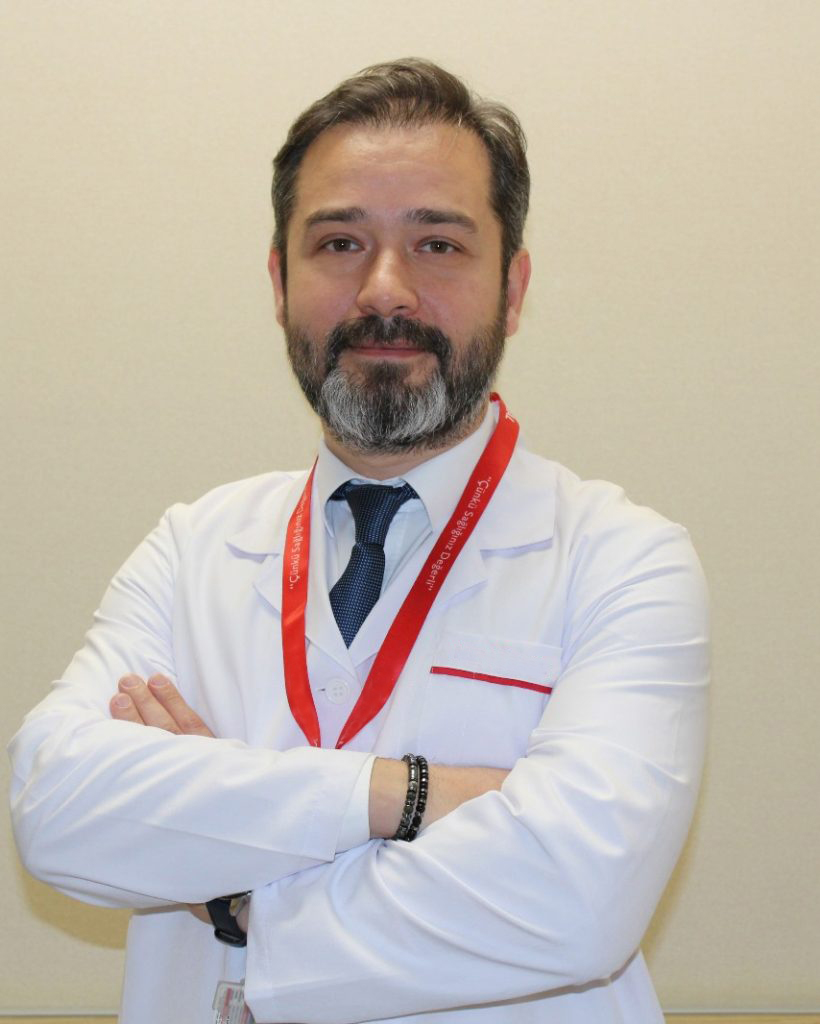
Assoc. Prof. Dr. Ömer Bozduman completed his medical degree in 2008 and subsequently served in various emergency medical units before finishing his Orthopedics and Traumatology residency in 2016. After working at Afyonkarahisar State Hospital, Tokat Gaziosmanpaşa University, and Samsun University, he continued his career at Memorial Antalya Hospital. He now provides medical services at his private clinic in Samsun, specializing in spine surgery, arthroplasty, arthroscopy, and orthopedic trauma.