



Publish Date: 25 November 2025
Walking on toes is a behavior that can be seen in both children and adults. While it may appear harmless or even playful at first glance, toe walking can sometimes indicate underlying physical, neurological, or sensory issues. Understanding why some people adopt this walking pattern, and when it may require medical evaluation, is essential for ensuring proper mobility and long-term health.
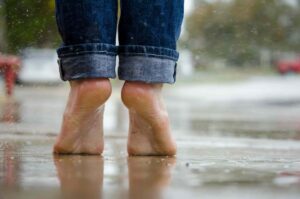
Understanding Toe Walking in Children and Adults
Toe walking is often observed in toddlers as they are learning to walk. It may occur intermittently and typically resolves on its own by the age of two. However, when toe walking continues beyond this developmental stage, it becomes important to explore potential causes.
Adults may also begin toe walking due to acquired conditions, long-standing habits, or structural changes in the musculoskeletal system. Whether it starts in childhood or adulthood, persistent toe walking should not be ignored.
Common Physical Causes
One of the most common physical causes of toe walking is a shortened Achilles tendon. This limits the range of motion in the ankle, making it difficult or even painful for the heel to touch the ground. When this becomes the default walking pattern, other parts of the lower limb compensate, which may lead to muscle imbalances or joint strain over time.
Other physical causes may include differences in leg length, foot or ankle injuries, or congenital conditions that affect the musculoskeletal system. For example, some children are born with tight calf muscles or develop them over time due to a lack of stretching or limited activity, contributing to toe walking.
Adults who return to toe walking after years of normal walking may do so as a response to pain, imbalance, or instability in the foot or lower leg. In some cases, orthopedic conditions such as arthritis or foot deformities may encourage toe walking as a compensatory mechanism.
Neurological or Developmental Factors
Toe walking is also linked to various neurological and developmental conditions. For example, children with cerebral palsy often experience increased muscle tone or spasticity, particularly in the calves, which can make heel-to-ground walking difficult.
Autism spectrum disorder (ASD) is another condition commonly associated with toe walking. In such cases, toe walking may arise due to differences in motor control, sensory processing, or a combination of the two. Children with ASD may find toe walking more comfortable or use it as a form of sensory regulation.
Other neurological disorders, such as muscular dystrophy, peripheral neuropathy, or spinal cord abnormalities, can also lead to toe walking due to weakness, sensory disruption, or coordination problems. Identifying the neurological origin requires careful evaluation and, often, collaboration between specialists.
Sensory and Behavioral Reasons
In some instances, toe walking may not be due to a physical or neurological condition, but rather a sensory or behavioral pattern. Some children, particularly those with heightened sensitivity, may find the feeling of heel contact with the ground to be uncomfortable or overwhelming. As a result, they naturally shift their weight to the front of the foot to minimize discomfort.
In other cases, the behavior becomes habitual. A child may begin walking on their toes for fun or as an experiment, and it becomes ingrained in their walking pattern over time. Without early correction or awareness, this habit may persist well into later childhood or even adulthood.
When to Seek Medical Advice
While occasional toe walking is usually not a cause for concern, certain signs should prompt medical evaluation. If a child continues to walk on their toes beyond the age of three without improvement, it’s wise to consult a pediatrician or specialist. Similarly, if the toe walking is rigid—meaning the child cannot walk flat-footed even when asked—this could indicate a structural or neurological issue.
Other red flags include asymmetrical toe walking (only on one side), frequent falls, complaints of pain or fatigue, or signs of developmental delay. In adults, the sudden onset of toe walking or a change in gait pattern should also be evaluated to rule out neurological or orthopedic conditions.
Early assessment allows for timely intervention, which can prevent the development of more serious complications such as muscle shortening, joint deformities, or balance problems.
Treatment and Therapy Options
Treatment for toe walking depends heavily on the underlying cause. In many cases where no serious condition is identified (known as idiopathic toe walking), physical therapy can be highly effective. A physiotherapist may implement stretching exercises, especially targeting the calves and Achilles tendon, to increase ankle flexibility.
Strengthening the muscles of the lower leg and core can also support a more natural walking pattern. In some cases, orthotics, ankle-foot orthoses (AFOs), or night splints may be used to encourage heel-down positioning during sleep or walking.
Serial casting—a process of using a series of casts to gradually stretch the muscles—may be considered if contractures are present. For severe or unresponsive cases, surgical intervention may be required to lengthen the Achilles tendon or correct any associated deformities.
In children with neurological conditions, a multidisciplinary approach involving physical therapy, occupational therapy, and medical management may yield the best results. For individuals with sensory processing issues, occupational therapists can provide sensory integration therapy to address underlying discomfort that may be triggering toe walking.
How Toe Walking Affects Posture and Balance
Toe walking significantly alters the mechanics of walking and standing. Because the heel is not used, the distribution of body weight shifts forward, which can disrupt posture and affect the alignment of the ankles, knees, hips, and spine.
Over time, persistent toe walking can lead to a tightening of the calf muscles, reduced ankle mobility, and excessive strain on the forefoot. The body may compensate by adjusting the pelvis or upper body posture, leading to a cascading effect on balance and coordination.
Children who walk on their toes may experience difficulty running, jumping, or participating in sports that require quick changes in direction. Adults may develop pain in the knees, hips, or lower back as the body attempts to adapt to the abnormal gait pattern. Shoe wear is also affected—excessive pressure on the balls of the feet can lead to calluses, discomfort, and instability.
Exercises to Improve Walking Patterns
Incorporating targeted exercises into a daily routine can help address the causes of toe walking and promote a healthier gait. Below are several exercises commonly recommended by physical therapists:
- Standing Calf Stretch: Stand facing a wall, place one foot behind the other, and lean forward to stretch the calf muscle. Hold for 30 seconds and repeat on both sides. This improves flexibility in the lower leg.
- Ankle Pumps: While seated or lying down, move your foot up and down slowly to engage the muscles of the shin and ankle. Repeat 10–15 times per foot. This helps improve range of motion.
- Heel Walking Drills: Walk across a flat surface on your heels with toes pointed upward. This strengthens the muscles responsible for lifting the foot and reinforces heel contact.
- Balance Exercises: Practice standing on one foot or walking along a straight line to improve balance and stability. Use a support or wall if needed for safety.
- Gait Training with Visual Cues: Use floor markers or footprints to guide correct foot placement, helping retrain the brain to adopt a heel-to-toe pattern.
These exercises should be performed under the supervision of a healthcare professional, particularly if the individual has underlying neurological or orthopedic concerns. Consistency is key—daily repetition builds muscle memory and supports long-term correction.
Walking on toes can range from a benign habit to a sign of a deeper medical condition. By understanding the potential causes—whether structural, neurological, sensory, or behavioral—parents and adults can make informed decisions about when to seek help. With proper assessment and personalized treatment, many individuals can overcome toe walking and enjoy improved posture, balance, and mobility.

Assoc. Prof. Dr. Ömer Bozduman completed his medical degree in 2008 and subsequently served in various emergency medical units before finishing his Orthopedics and Traumatology residency in 2016. After working at Afyonkarahisar State Hospital, Tokat Gaziosmanpaşa University, and Samsun University, he continued his career at Memorial Antalya Hospital. He now provides medical services at his private clinic in Samsun, specializing in spine surgery, arthroplasty, arthroscopy, and orthopedic trauma.